On May 30 and 31, 2026, the 2026 Workshop on Virtual Teaching and Research Office for Chemistry (Teacher Education) Programs at Western Universities was held in Xi’an. The event was jointly organized by Shaanxi Normal University Institute of New Concept Sensors and Molecular Materials, School of Chemistry and Chemical Engineering, and Ministry of Education Key Laboratory of Applied Surface and Colloid Chemistry .
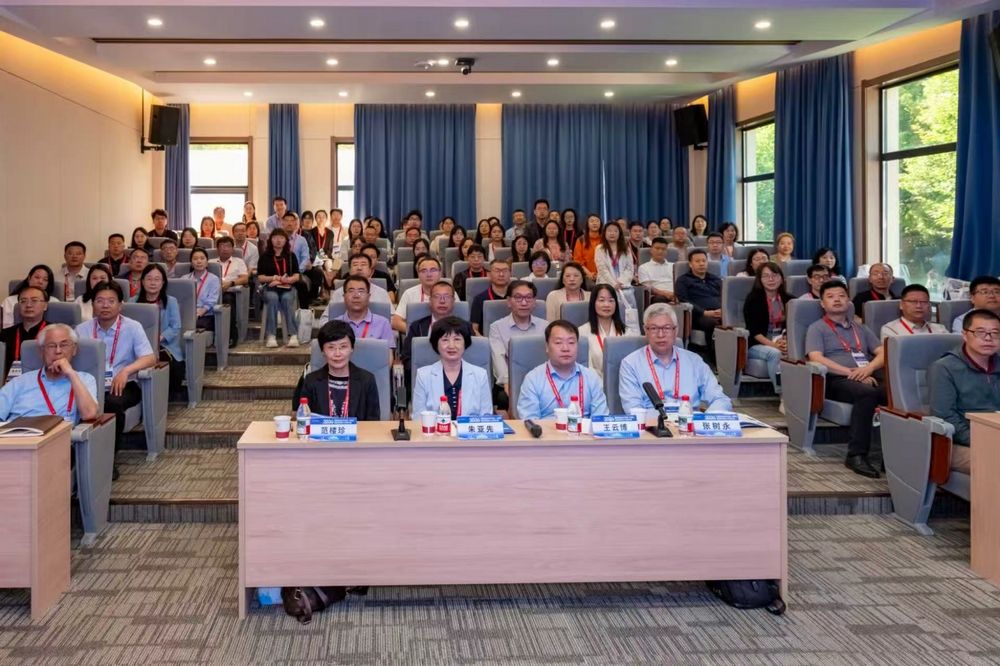
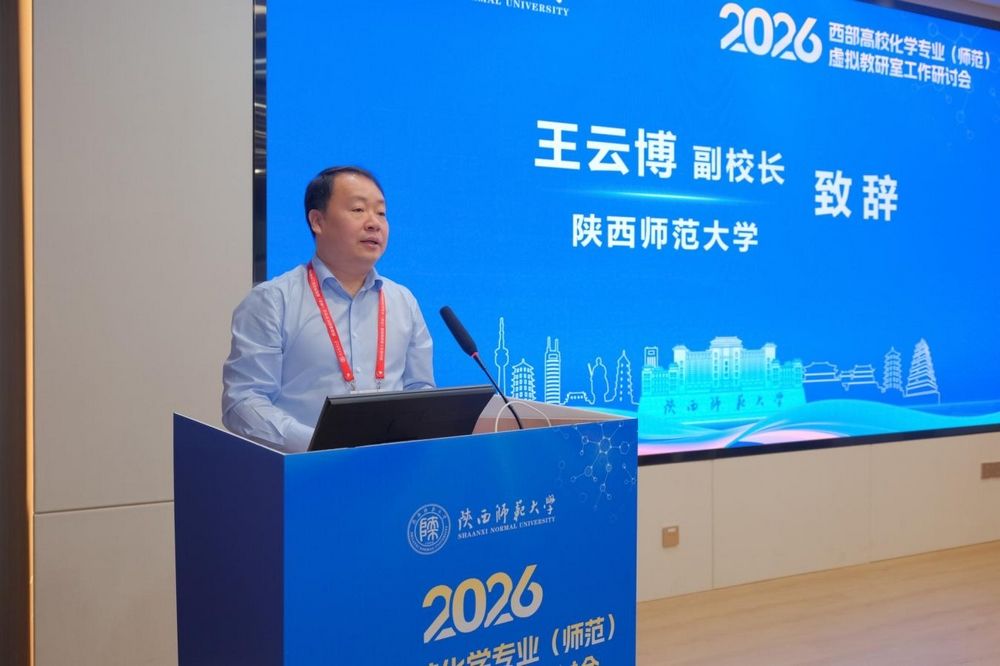
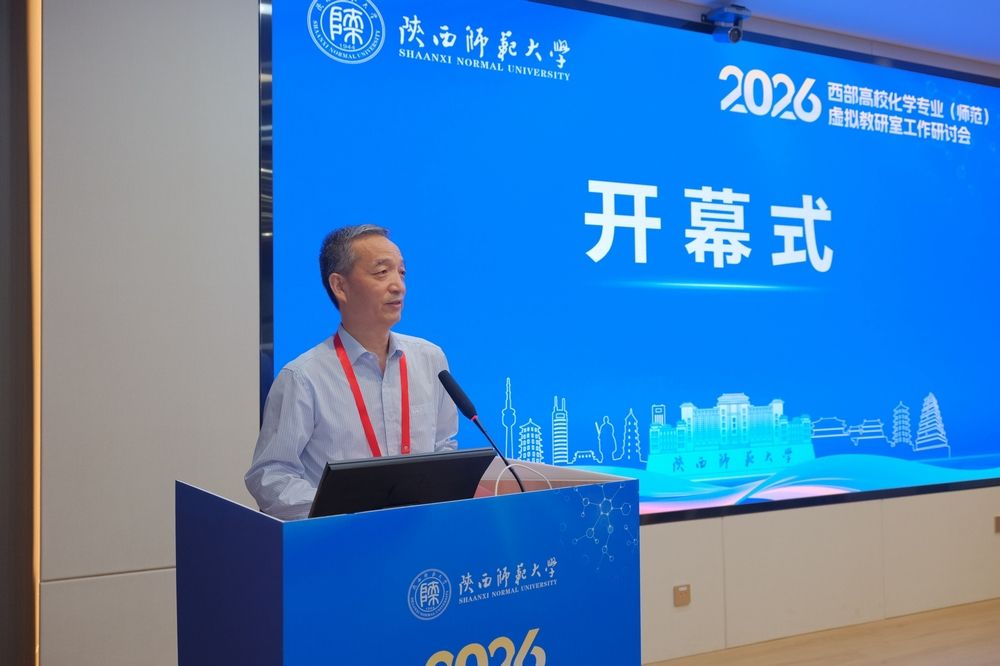
On the morning of May 30, experts from Xiamen University, Shandong University, Beijing Normal University, and the journal Chemical Education, along with faculty representatives from more than 30 teacher-training institutions affiliated with the Virtual Teaching and Research Office for Chemistry (Teacher Education) at Western Universities, attended the opening ceremony held in INCSMM lecture hall. SNNU vice president Wang Yunbo attended the ceremony and delivered a speech, which was presided over by SCCE Party Secretary Prof. Li Baoxin.
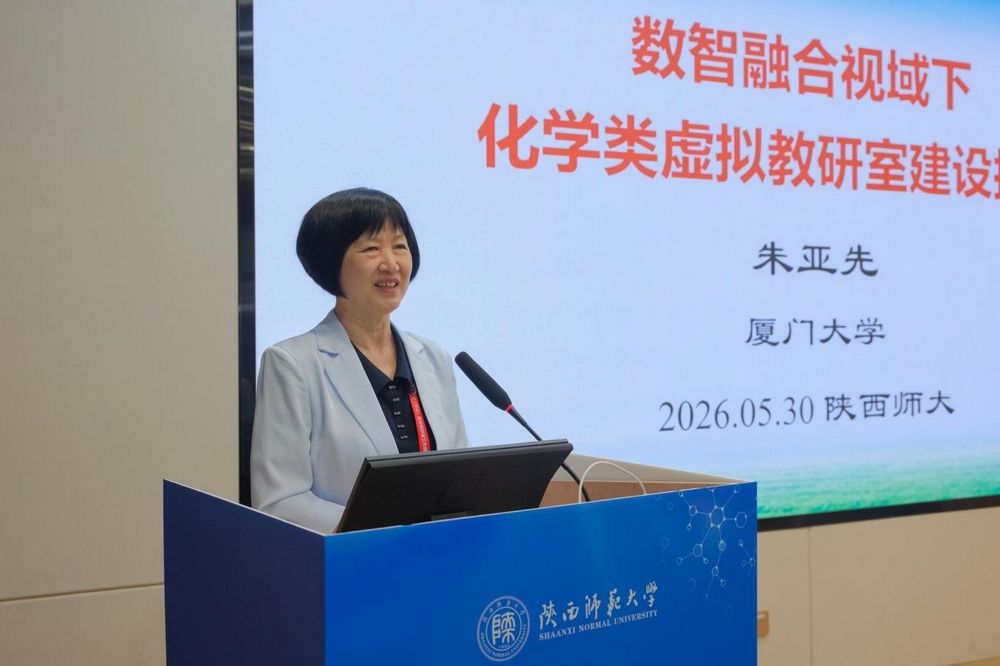
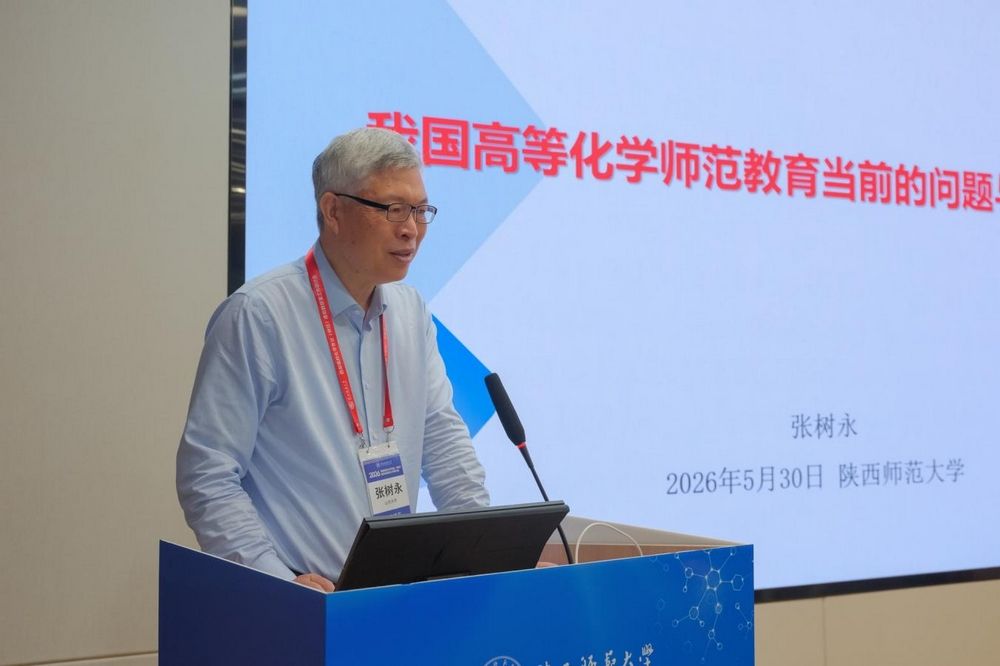
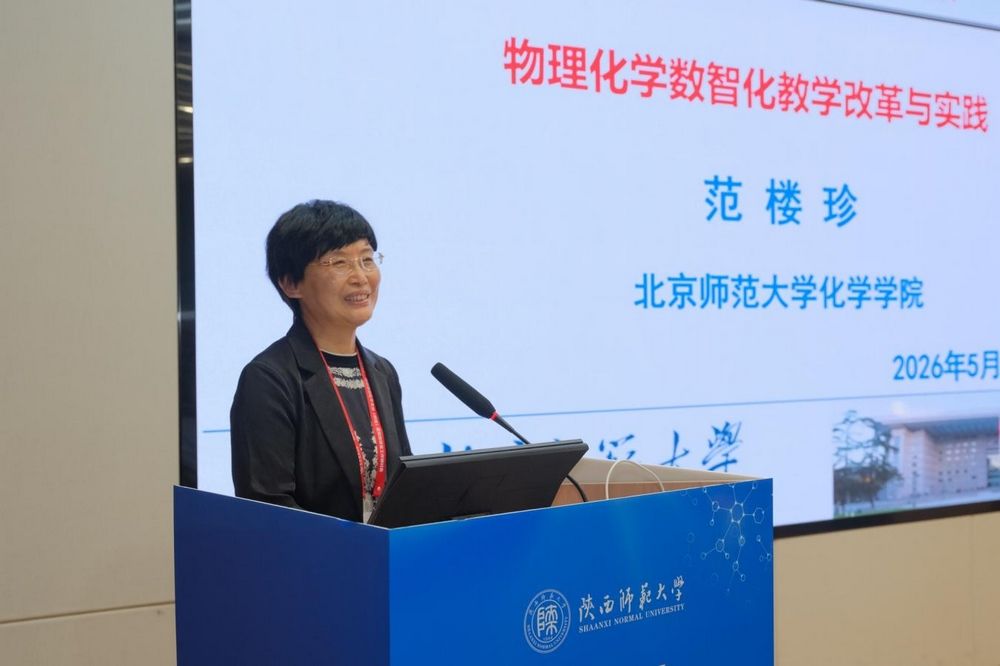
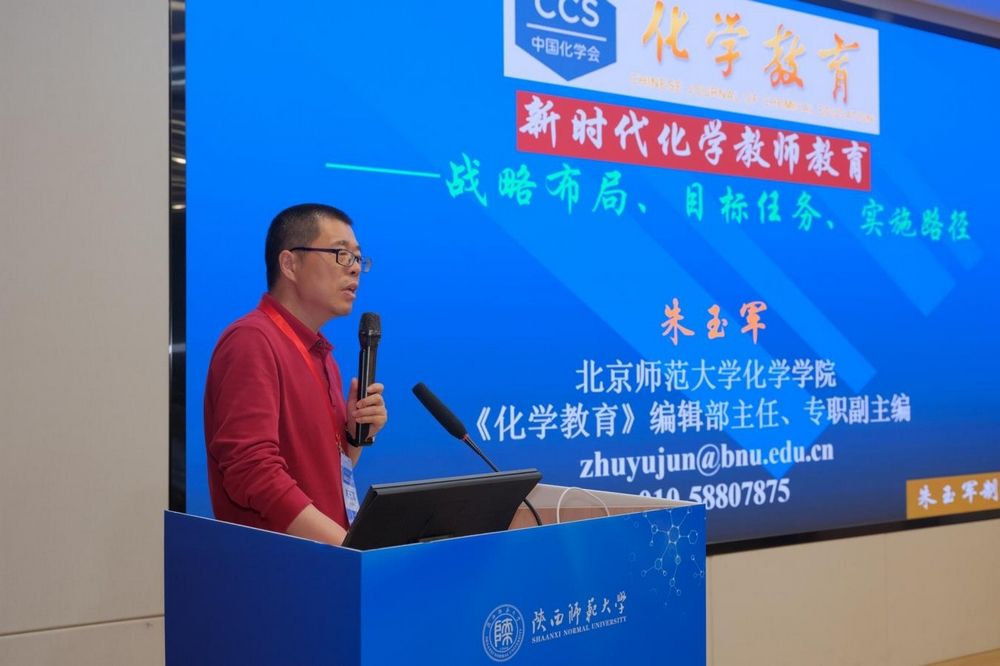
During the invited lecture session following the opening ceremony, Prof. Zhu Yaxian of Xiamen University, secretary-general of MOE’s Teaching Guidance Committee for Chemistry Majors in Higher Education, presented a report titled “Exploring the Development of Virtual Teaching and Research Offices for Chemistry Majors from the Perspective of Digital-Intelligent Integration”, Prof. Zhang Shuyong of Shandong University, a member of the Teaching Guidance Committee and head of the Applied Chemistry Collaborative Group, presented a report titled “Current Issues and Several Recommendations for Higher Chemistry Teacher Education in China”, Prof. Fan Louzhen of Beijing Normal University, deputy head of the Teaching Guidance Committee (Higher Normal Education Collaborative Group), presented a report titled “Teaching Reform and Practice in Physical Chemistry through Digital and Intelligent Integration”, and Prof. Zhu Yujun, deputy editor-in-chief of Chemical Education, presented a report titled “Strategic Planning, Objectives, Tasks, and Implementation Pathways for Chemistry Teacher Education in the New Era”. The invited lectures were chaired by Prof. Li Baoxin and Prof. Chen Yashuo, a National Outstanding Teacher and a Shaanxi Provincial Distinguished Teacher.
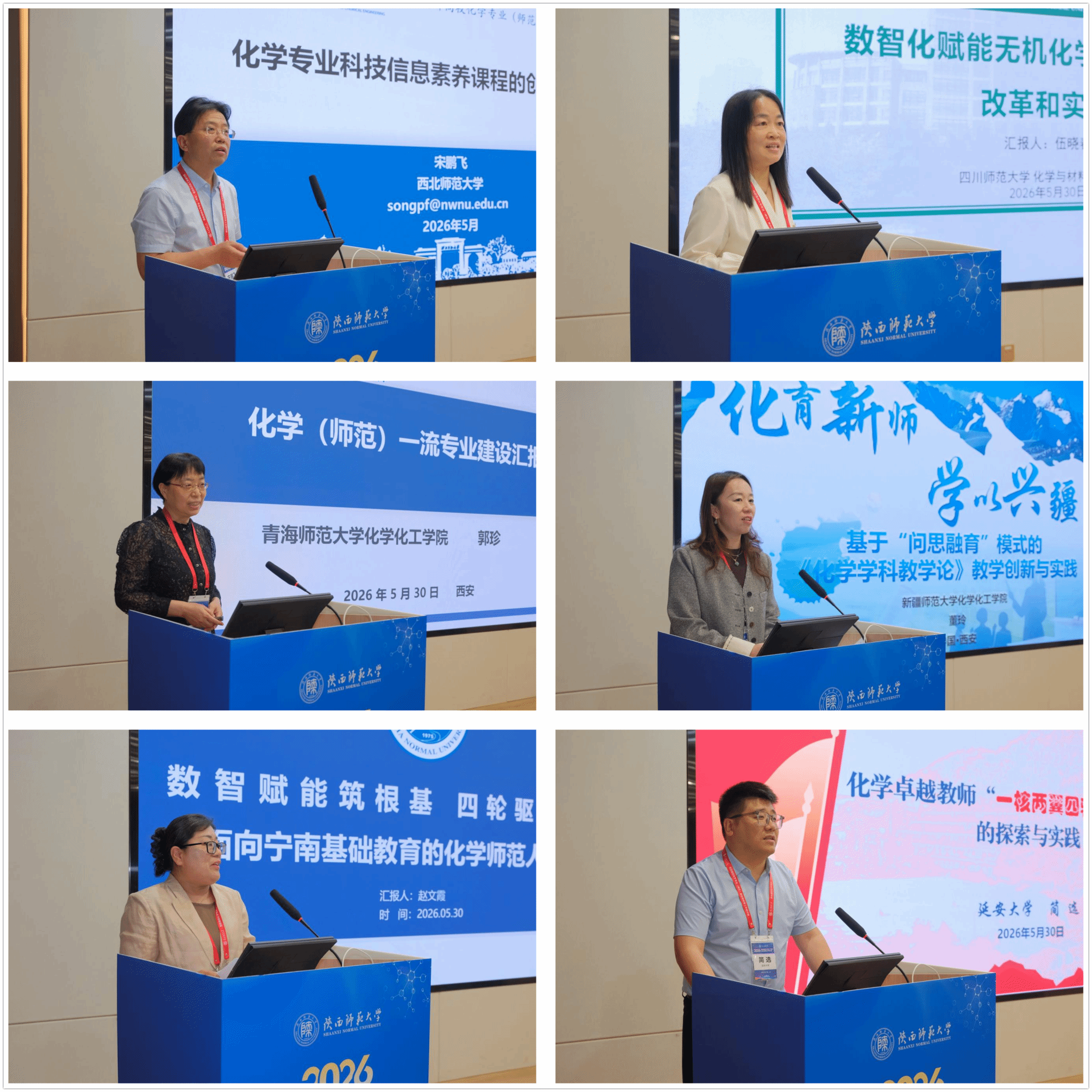
On the afternoon of May 30, Prof. Song Pengfei from Northwest Normal University, Prof. Wu Xiaochun from Sichuan Normal University, Prof. Guo Zhen from Qinghai Normal University, Assoc. Prof. Dong Ling from Xinjiang Normal University, Prof. Zhao Wenxia from Ningxia Normal University, and Assoc. Prof. Jian Xuan from Yan’an University each presented a report. The sessions were chaired by Prof. Ji Xiaohui from Shaanxi University of Technology and Prof. Zhan Dongping from Xiamen University, respectively.
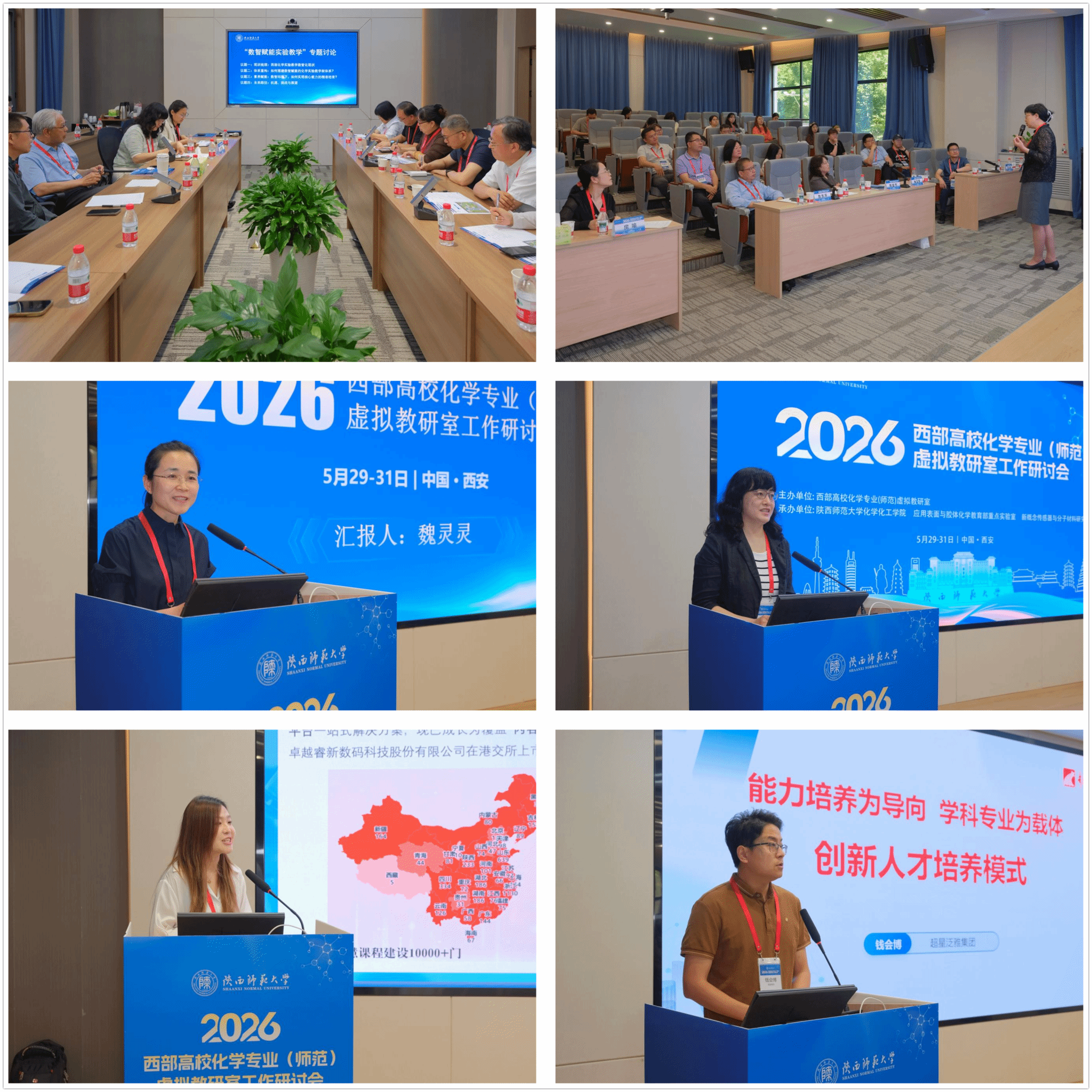
Following the presentation, the participating experts and scholars engaged in group discussions on the themes of “Empowering Education and Teaching with Digital Intelligence” and “Empowering Laboratory Instruction with Digital Intelligence”.
On the morning of May 31, under the chairmanship of Prof. Peng Haonan, executive deputy director of the Virtual Teaching and Research Office, Professors Wei Lingling and Zhang Qi from Shaanxi Normal University presented summaries of the previous day’s group discussions. Huang Lina from Wisdom Tree and Qian Huibo from SuperStar Group presented on “AI-Empowered Innovation and Practice in Teaching Reform for Chemistry Courses and Programs” and “An Innovation-Oriented Talent Development Model Centered on Competency Development and Grounded in Disciplinary Specializations”, respectively.
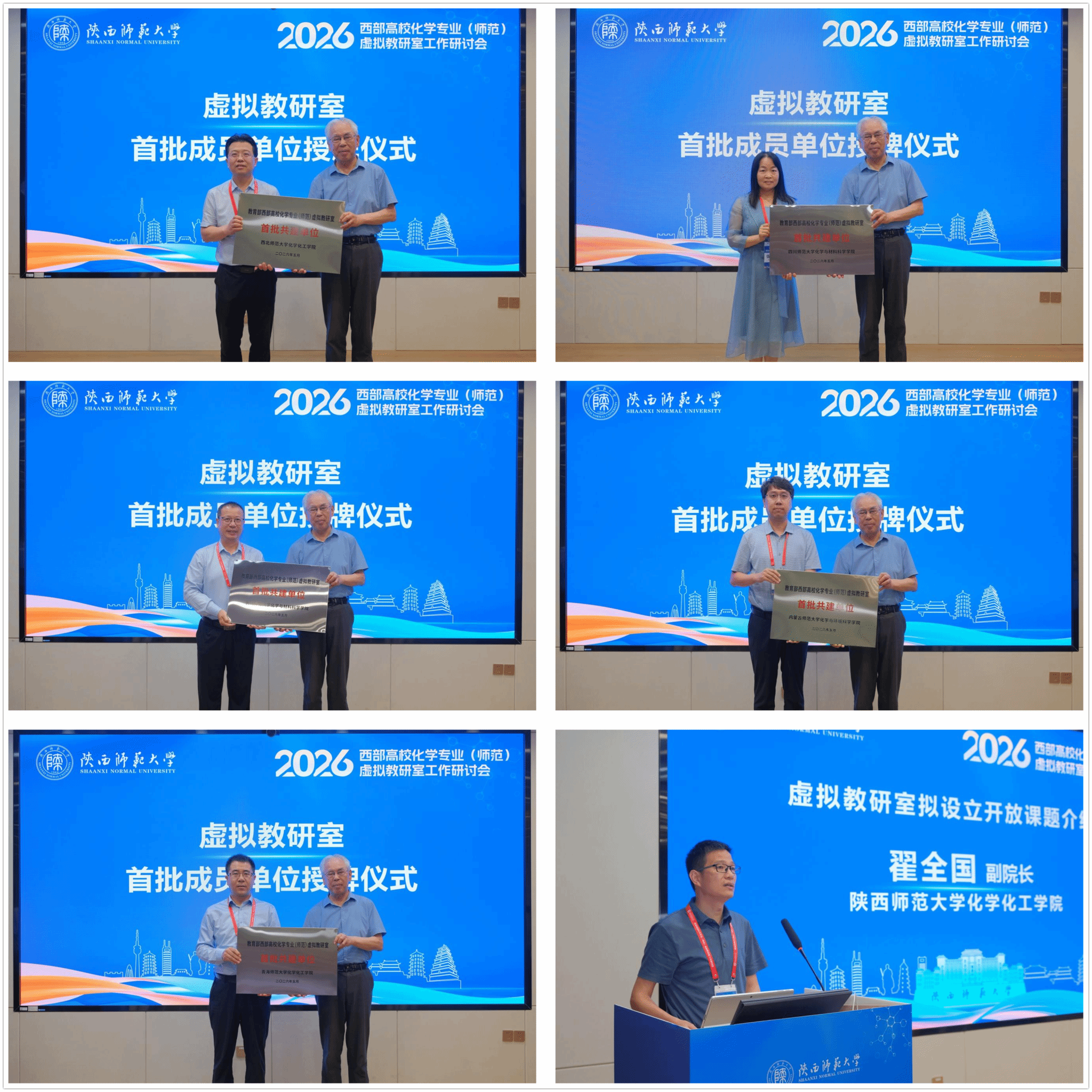
Following the presentation, Prof. Fang Yu, director of the Virtual Teaching and Research Office, presented plaques to the inaugural member institutions of the Virtual Teaching and Research Office for Chemistry (Teacher Education) at Western Universities. Vice dean Zhai Quanguo outlined the proposed open research projects to be established by the Virtual Teaching and Research Office.
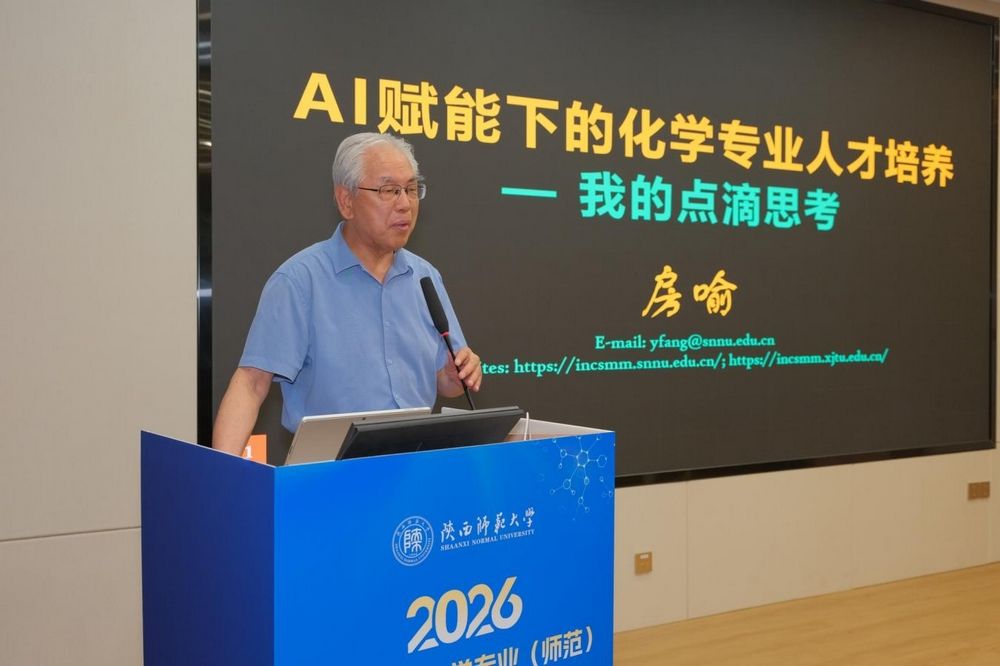
During the closing session of the conference, Fang Yu delivered a report titled “AI-Empowered Training of Chemistry Professionals: My Reflections”.Fang Yu traced the fundamental driving forces that past scientific and technological revolutions have provided for the development of human civilization, pointing out that a nation’s core competitiveness stems from talent development, the essence of which lies in “cultivating the soil” and “building a culture”. In the era of artificial intelligence, teachers should transition from mere transmitters of knowledge to companions in students’ learning and guides in value formation. In the process of intelligent teaching, they must alleviate students’ academic burdens and focus on cultivating their autonomy, innovative thinking, patriotic spirit, and resilience.
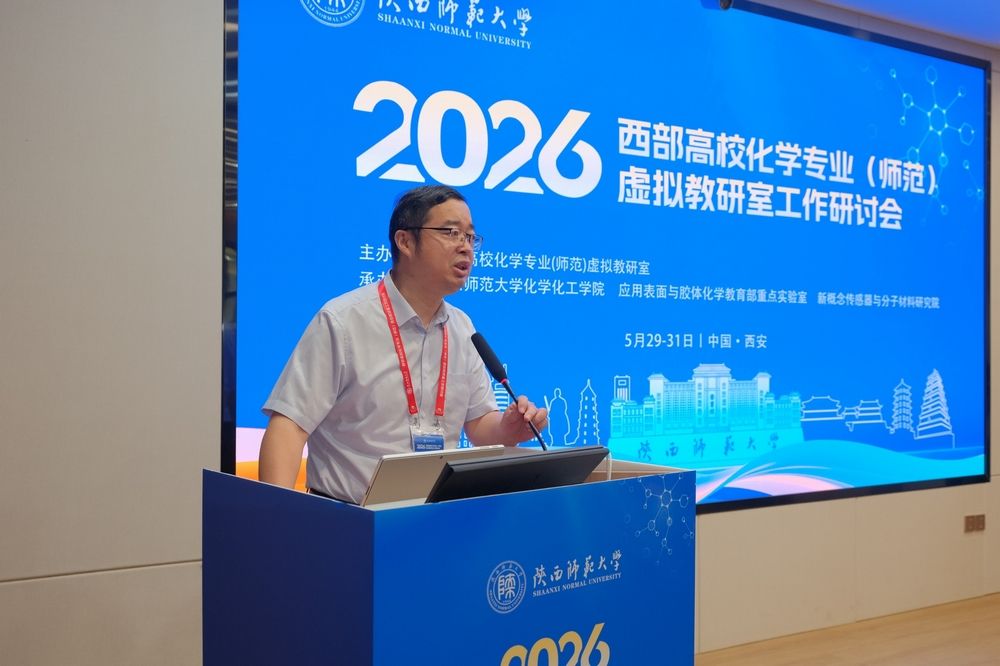
In the end, Prof. Liu Chenghui, on behalf of the SCCE and the Virtual Teaching and Research Office, expressed gratitude to the officials, experts, and representatives from partner institutions for their guidance and support. He expressed the hope to strengthen exchanges and foster mutually beneficial cooperation with partner institutions, advance the digital and intelligent transformation of chemistry teacher education, and contribute more insights and solutions to the cultivation of outstanding teachers for the nation.





 Latest Updates
 Hot Text Ranking