Binbin Zhai, Yuhan Yang, Junjie Wang, Xinyue Wang, Chi Zhang, Yanyan Luo, Jianfei Ma, Zhi-Hao Zhao*, Yu Fang*. Sci. China Mater. 2026, DOI: 10.1007/s40843-025-3925-5
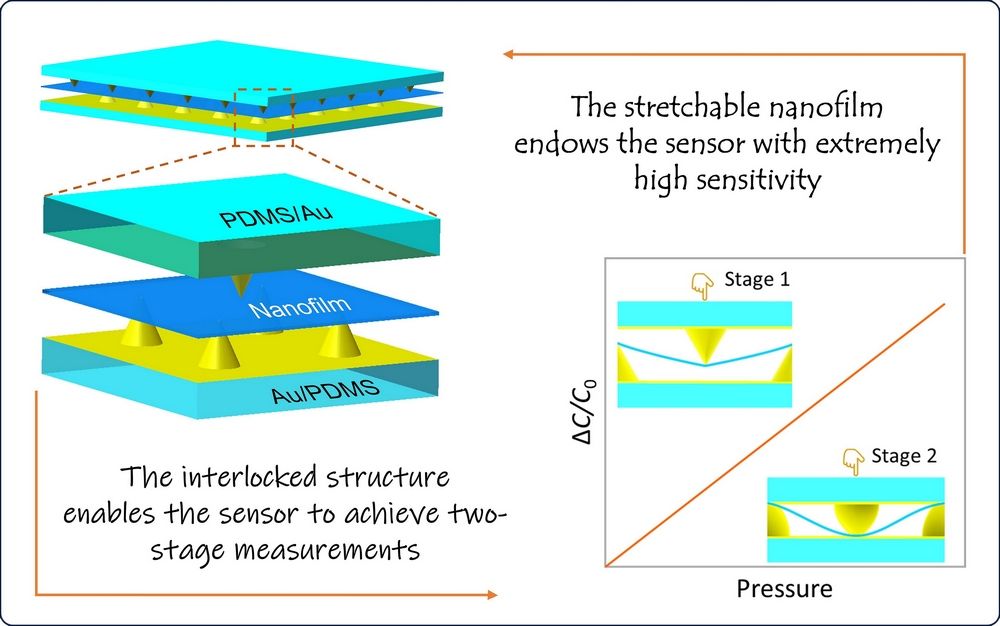
With the flourishing development of artificial intelligence, wearable electronics, and the Internet of Things, flexible pressure sensors have become indispensable as fundamental components, providing broad application prospects in electronic skin, health monitoring, and medical devices. Among these, capacitive pressure sensors (CPS) have attracted extensive attention owing to their remarkable properties like fast dynamic response, good repeatability, simple device structure, low power consumption, and insensitivity to temperature changes. Microengineering of dielectric layers and sensor microstructures is an effective way to enhance the performance of conventional CPS. However, manufacturing capacitive pressure sensors that simultaneously achieve a broad linear detection range and high sensitivity remains a significant challenge.
Herein, a novel hierarchically interlocked capacitive pressure sensor (HI-CPS) was designed by integrating the stretchable polyethylene glycol (PEG)-based nanofilm dielectric layer with hierarchically interlocked microstructures, which demonstrates excellent linearity and high sensitivity over a wide sensing range. HI-CPS based on a one-layer nanofilm exhibits ultrahigh sensitivity (9.40 kPa⁻1) and an ultralow detection limit (0.1 Pa). When the dielectric layer comprises two layers of stacked nanofilms, the sensor not only maintains high sensitivity (3.17 kPa⁻1) but also achieves excellent linearity (R2 = 0.999) over a broad working range (<5 kPa), along with remarkable stability even after 10,000 cycles. Benefitting from the outstanding comprehensive performance, HI-CPS has been proven to be successfully implemented in monitoring various human biological signals, sign language recognition, and basketball shooting gesture correction. This strategy of assembling the tailored nanofilm with structural engineering has significant potential application in building high-performance pressure detection and recognition devices.
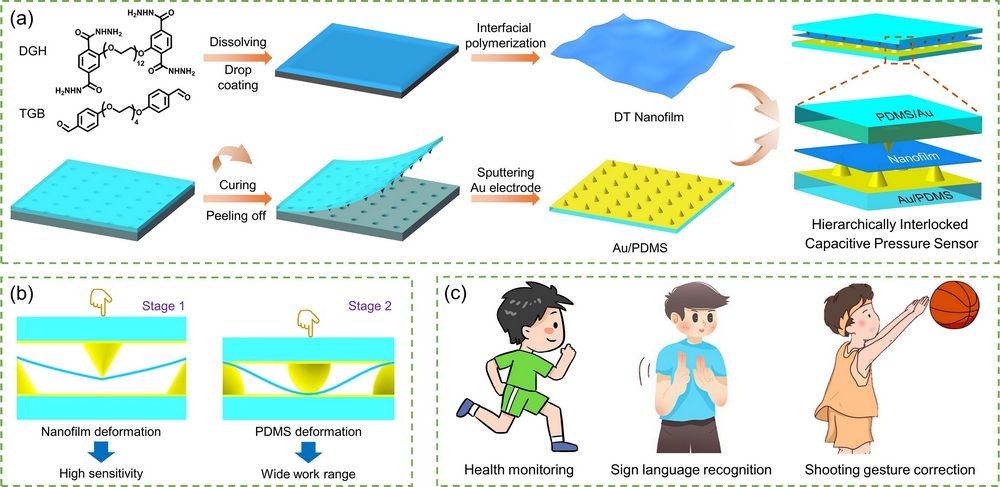
Figure 1. Preparation, pressure response mechanism and application of HI-CPS
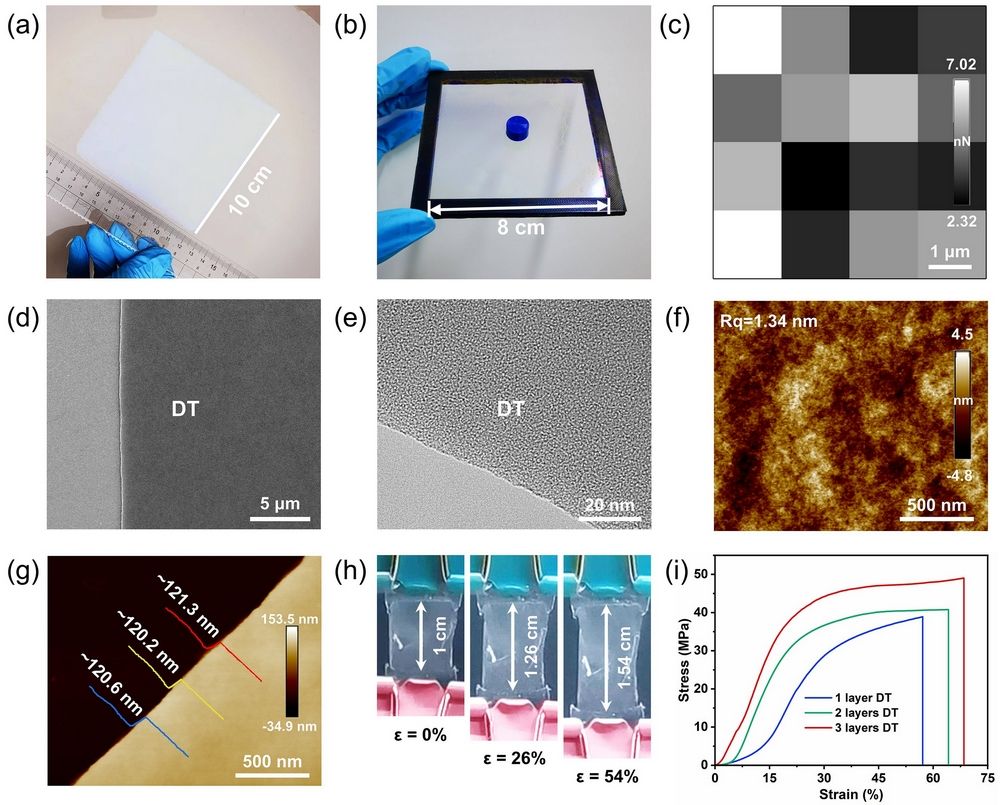
Figure 2. Image and characterization of DT nanofilm
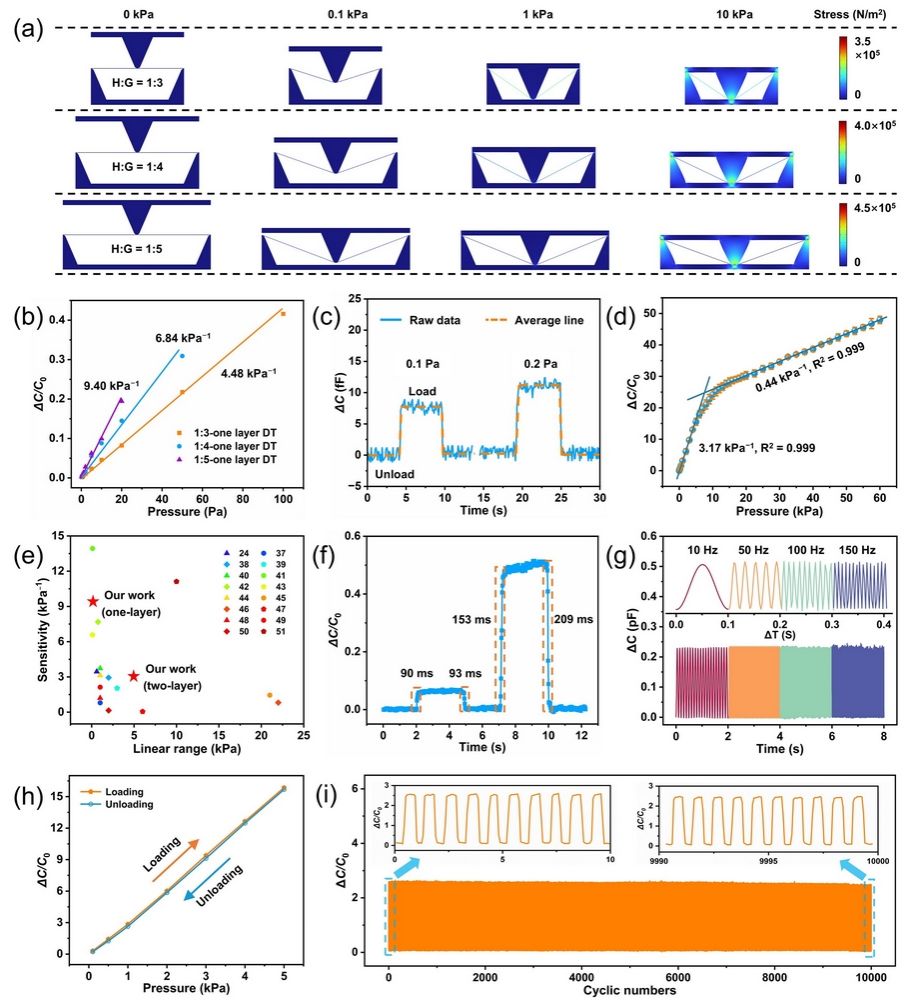
Figure 3. Pressure response performance of HI-CPS
First Author: Zhai Binbin, postdoctoral fellow, Shaanxi Normal University
Correspondence Authors: Prof. Fang Yu, Dr. Zhao Zhihao, Shaanxi Normal University
Full Text Link: https://link.springer.com/article/10.1007/s40843-025-3925-5





 Latest Updates
 Hot Text Ranking